
Energy performance assessment for homes and buildings
Solar, heat pumps and insulation that pay their way
The problem
Electricity keeps getting more expensive, and many buildings in South Africa still waste much of what they use. A solar system can cut your bills, but only if it is the right size for how you actually use power. Too small and you keep buying from the grid; too big and you pay for panels and batteries you don’t need. Heating water and keeping rooms comfortable are often the biggest costs, and a poorly insulated building makes every system work harder.
An energy performance assessment starts with measurement, not a sales pitch. I record how your building uses electricity, look at how well it keeps heat in and out, and then show you which changes will make the biggest difference, whether that is insulation, a heat pump, solar or a combination.
How I can help
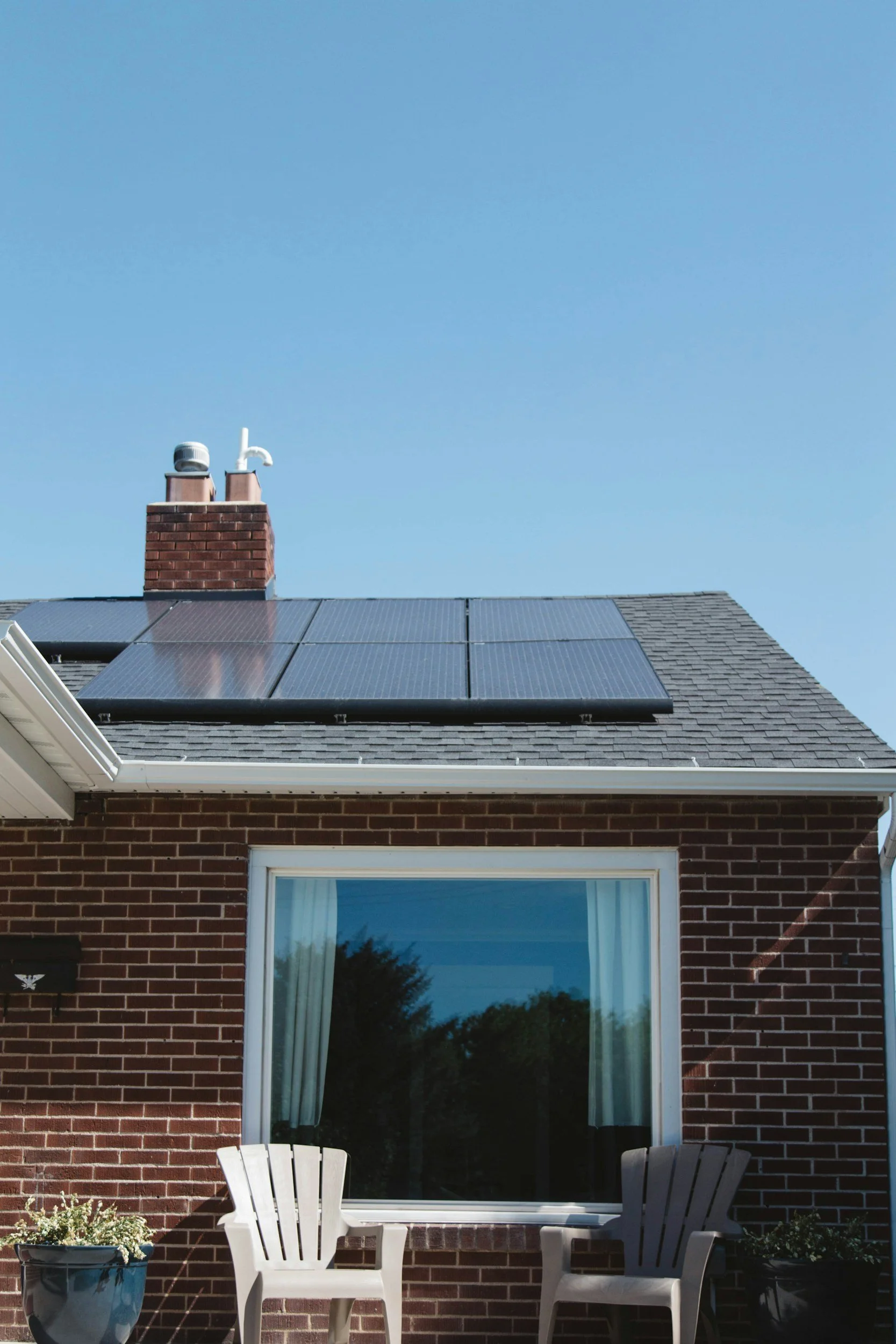
Solar, sized to your real use. I collect data straight from your distribution board, from the geyser and stove to the plugs and lights, so I know exactly where your power goes and when. With that picture, I model the type and size of solar system (panels, inverter and batteries) that meets your goals within your budget.
Heat pumps for hot water. Heating water is often one of the biggest parts of a household’s electricity bill. A heat pump typically uses around a third of the electricity of a standard geyser element, and it works well alongside solar. I check whether one suits your home and how much it could save.
Insulation first. Ceiling and roof insulation, sealing draughts and better windows keep heat in during winter and out in summer. A well-insulated building needs a smaller solar system and less heating and cooling, so it often makes sense to start here.
Savings you can see. After the changes are made, I can measure again so you know exactly what you are saving.
What an energy performance assessment involves
Conversation. We talk about your building, how it is used and what you want to achieve, whether that is lower bills, more comfort or less reliance on the grid during load-shedding.
Site visit. I look at the building’s outer shell (roof, ceilings, walls, windows and floors), the geyser and the main appliances, and note draughts and gaps in the insulation.
Measurement. I collect data from your distribution board over a period of normal use, so the results show where and when your power is used.
Analysis. I compare how the building uses energy with how it should perform, and model the options, such as insulation, a heat pump or a solar system sized to your real use.
Report and discussion. You receive a report with my findings and recommendations in order of priority, and we go through it together.
What you receive
Your report shows where your electricity goes and when, how your building gains and loses heat, and which upgrades to make first. For each option, I explain what it involves and how it fits with the others, so that, for example, you don’t buy a larger solar system than you need before the insulation has been improved.
Why it matters to you
You buy the solar system you need, not the biggest one someone can sell you.
Lower electricity bills, month after month, and less reliance on the grid during load-shedding.
A home or workplace that stays warmer in winter and cooler in summer.
Independent advice. I don’t sell panels or heat pumps, so my recommendations are based on your building’s data.
A more efficient building is kinder to the planet and can add value when you sell or let it.
Who it’s for
Homeowners facing rising electricity bills, or planning solar, a heat pump or a renovation.
Buyers and sellers. A retrofit and energy consultation can be added to my buying a home and selling a home assessments.
Owners and managers of offices, schools and smaller commercial buildings who want lower running costs without losing comfort.
Is this an Energy Performance Certificate (EPC)?
No. This is an independent energy performance assessment to help you make decisions about your own building. It is not an official Energy Performance Certificate (EPC) under the South African EPC regulations, and I don’t issue EPCs. Official EPCs, which certain larger non-residential buildings must display, are issued by EPC professionals registered with SANEDI (the South African National Energy Development Institute), following SANS 1544.
If your building needs an EPC, my assessment can still help you understand where its energy goes and plan improvements.
Where I work
I’m based in Port Elizabeth, Eastern Cape, and carry out energy performance assessments for homes and buildings in and around the city. I also work with clients elsewhere in South Africa. If air quality or damp is part of the picture too, see my indoor air quality assessment or a full building performance assessment.
Thinking about solar, a heat pump or insulation? Get in touch
Let's talk
Call me on +27 76 901 4203 between 10am and 6pm, or email ashvinmanga@gmail.com. I'll get back to you within 24 hours.